TERAS
Take awareness with you
A compact passive acoustic sensing module that feeds local UAS detection and directional cueing into existing systems.
- Detection
- Identifies UAS acoustic signatures in real-world environments
- Classification
- Distinguishes UAS class and activity using edge-processed acoustic models
- Directional cueing
- Provides approximate direction-of-arrival information to the host platform
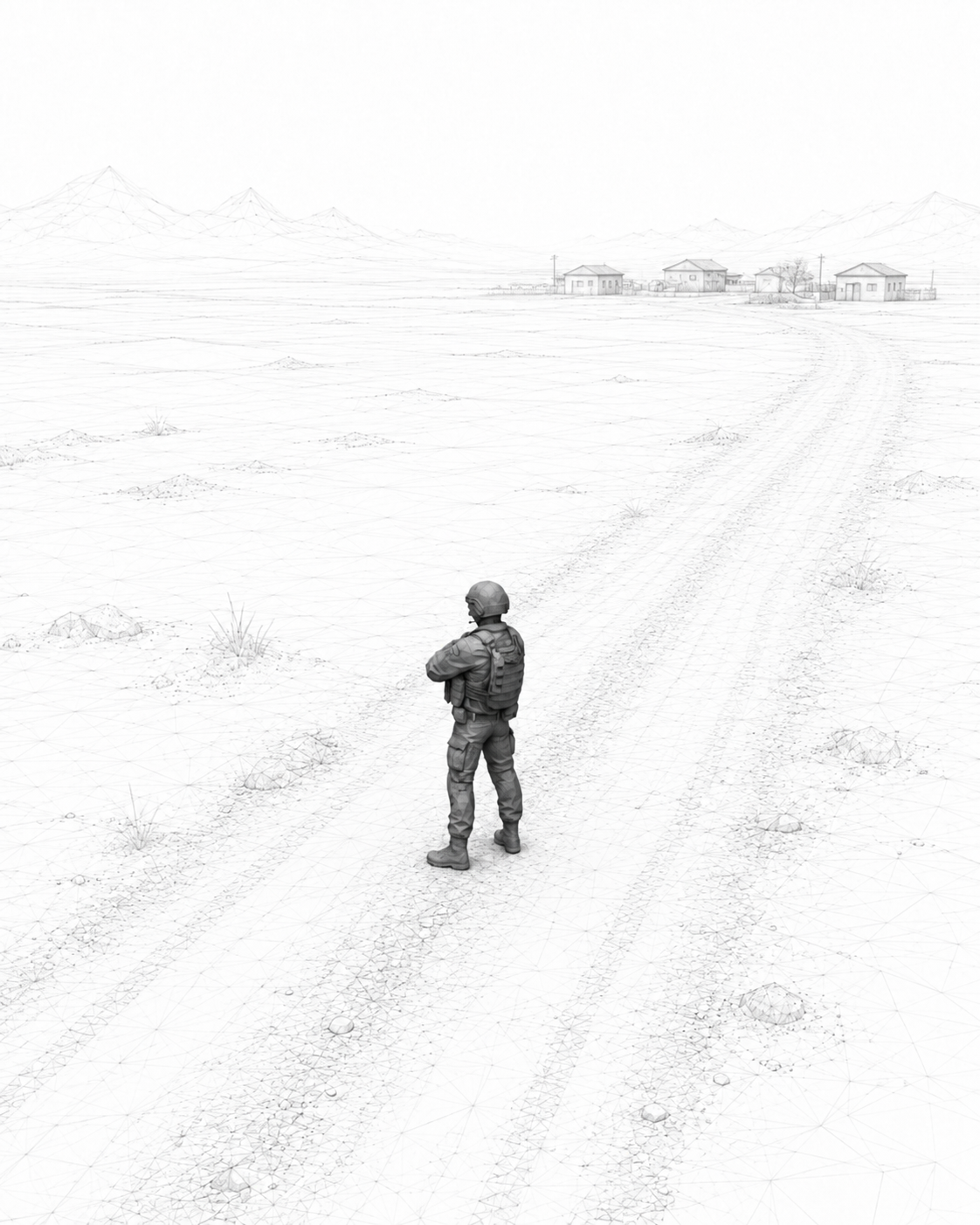
Mobile teams, temporary positions, and individual security personnel can sit outside the coverage of fixed detection systems. Autonomous and fibre-optic-controlled UAS compound this gap by reducing the RF signatures that many detection approaches rely on.
TERAS provides a local, passive sensing layer designed to operate independently of the RF environment.
Defence
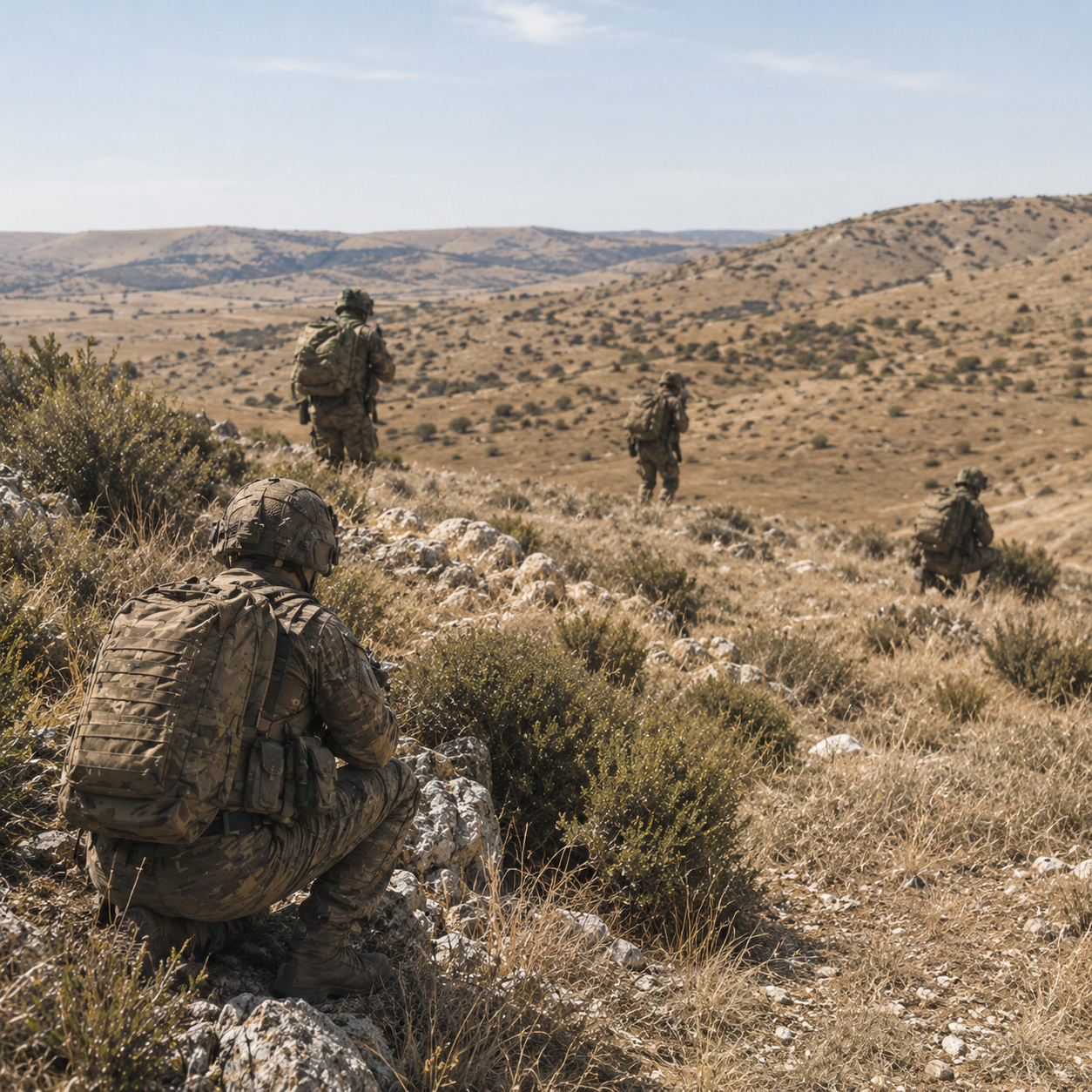
Dismounted patrols
Local UAS awareness for foot patrols in RF-contested environments. Low-SWaP, person-borne, with no RF emissions. Structured outputs designed for soldier systems and existing C4ISR platforms.
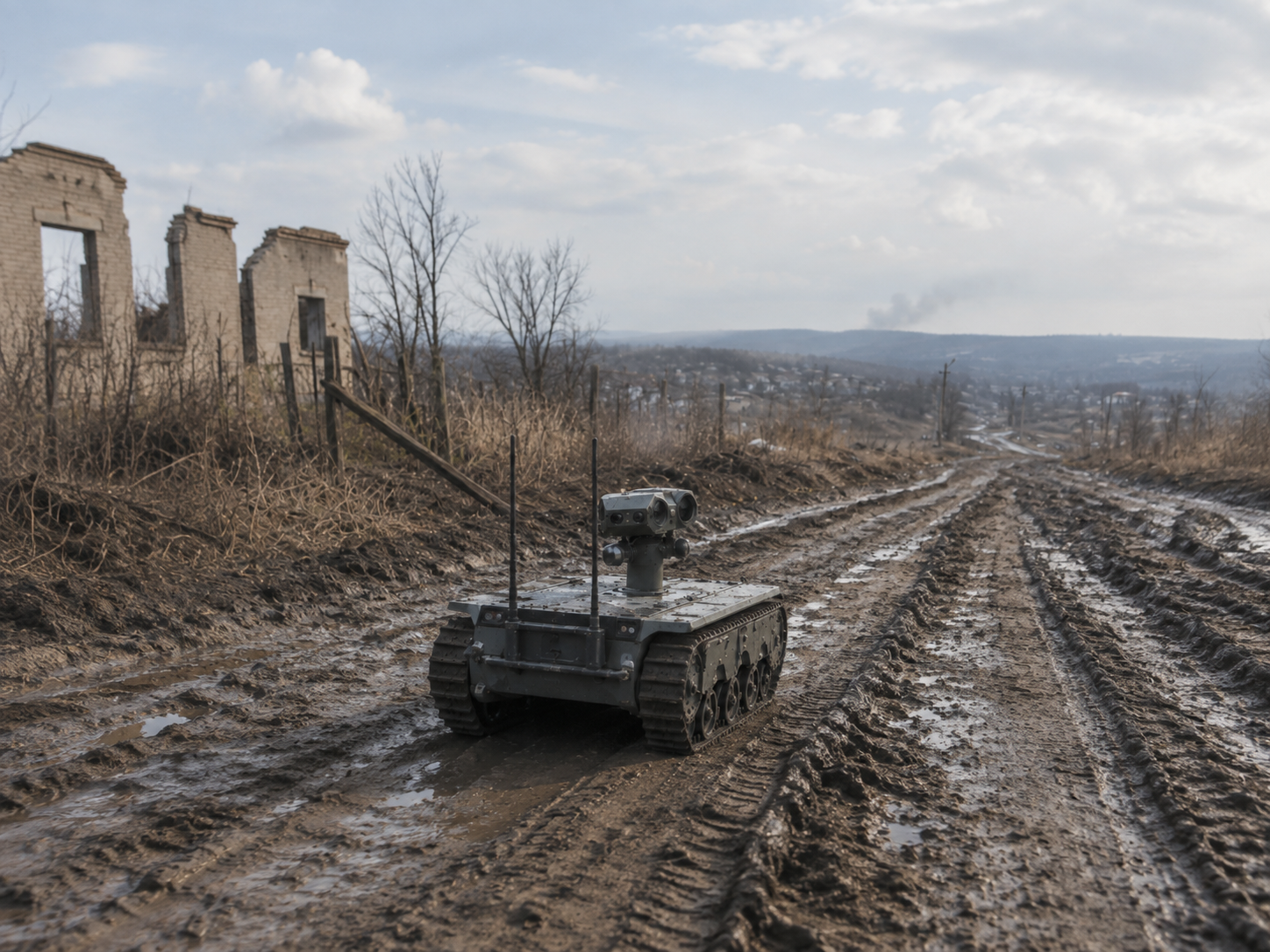
UXV-mounted
Passive acoustic collection from unmanned platforms deployed deep into contested territory. Gathers UAS presence and movement data without contributing to the platform's electromagnetic signature.
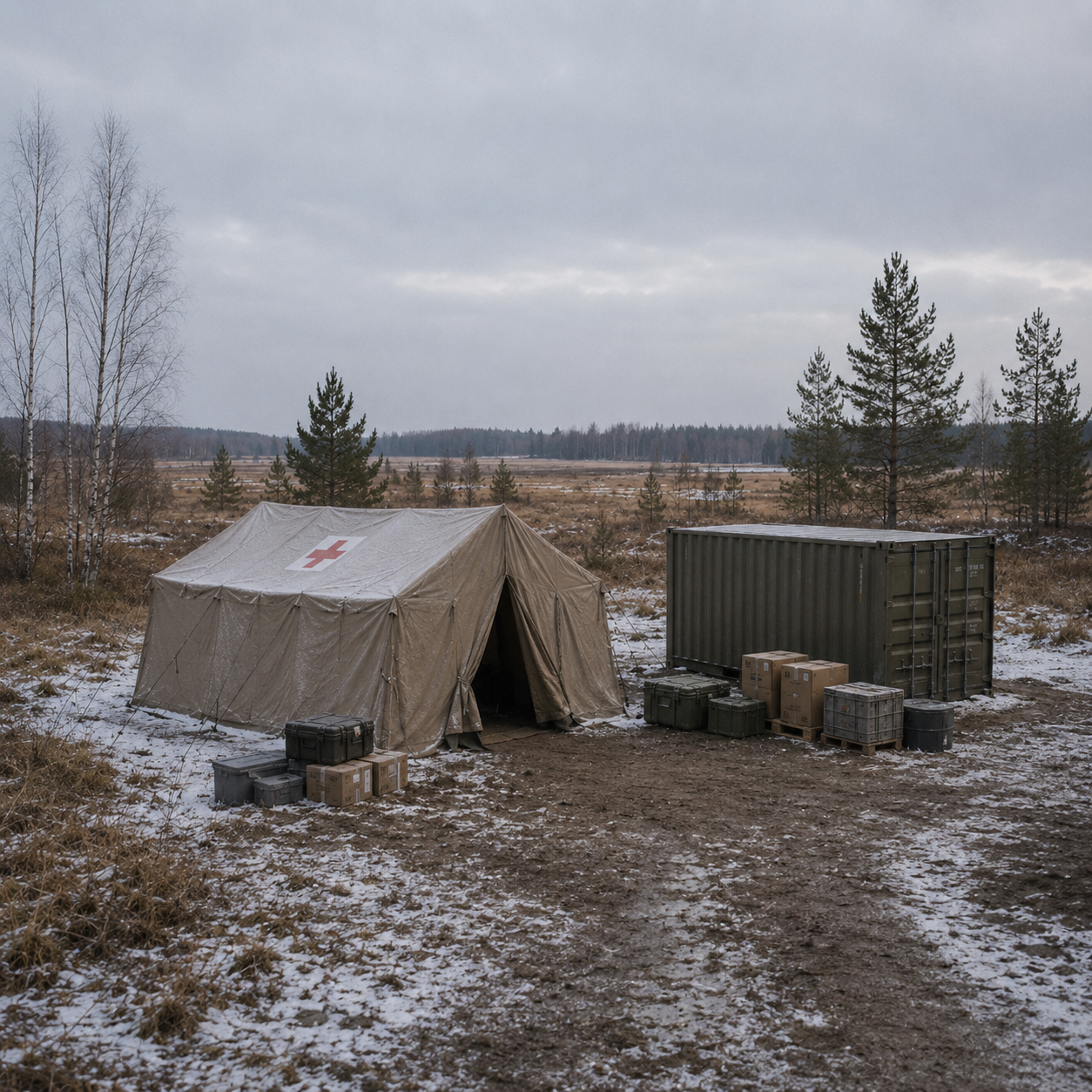
Temporary sites
Acoustic monitoring without fixed perimeters: forward-bases, emergency response, rapid deployments. Designed to move with a team across a changing operational footprint.
Vehicle-mounted
Passive UAS monitoring for vehicles and convoys during movement. Low-SWaP form factor allows ad-hoc fitment across vehicle types without dedicated infrastructure or additions to the convoy's RF footprint.

Civil Security


Public order and policing
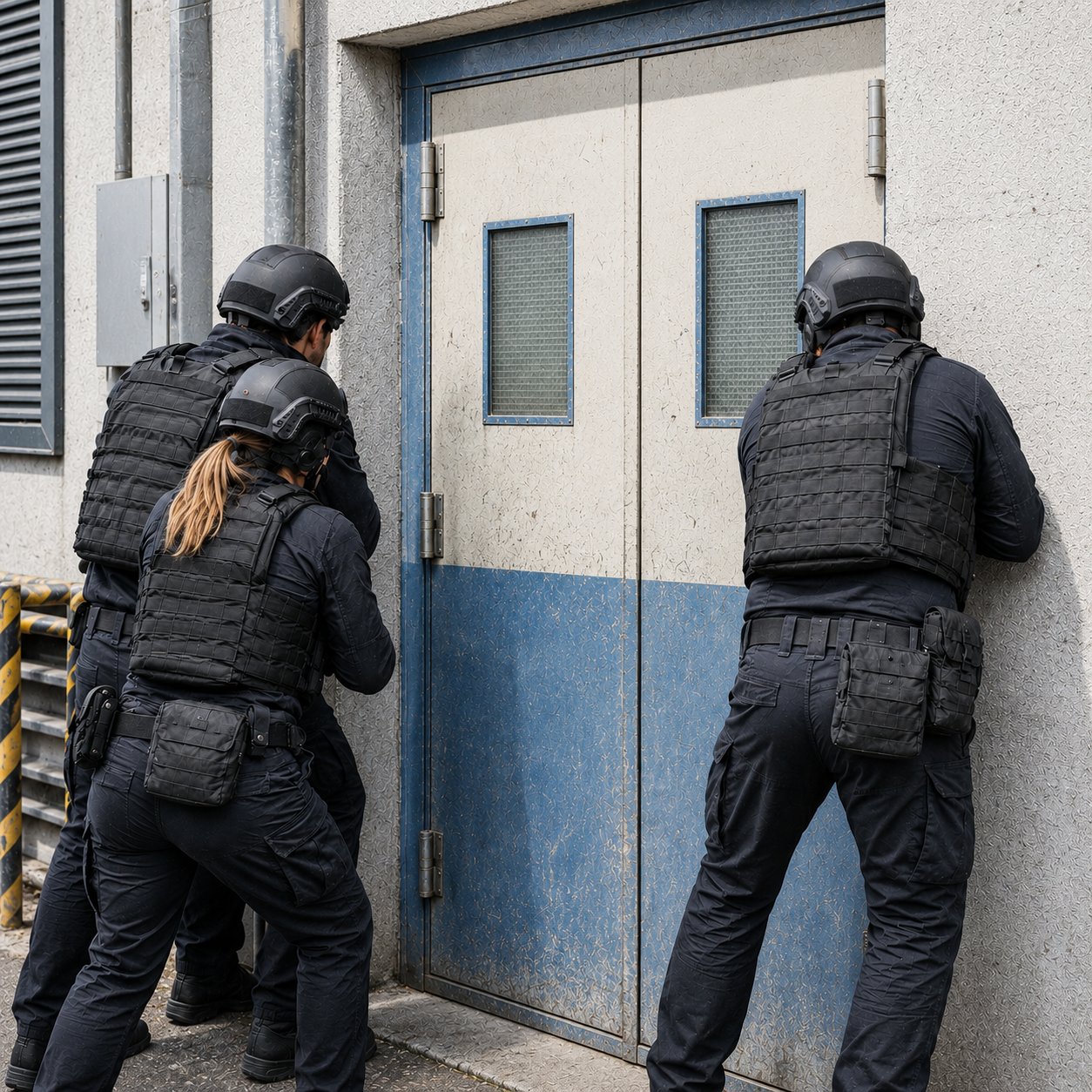
Local UAS awareness for public order deployments, tactical firearms operations and rural policing. Person-borne and low-infrastructure, designed to integrate with existing command and communications systems.
Security personnel
Person-borne UAS awareness for border guards, prison officers and security staff operating around critical infrastructure. Designed to provide local coverage alongside teams as they move through their operational area.
Temporary event security
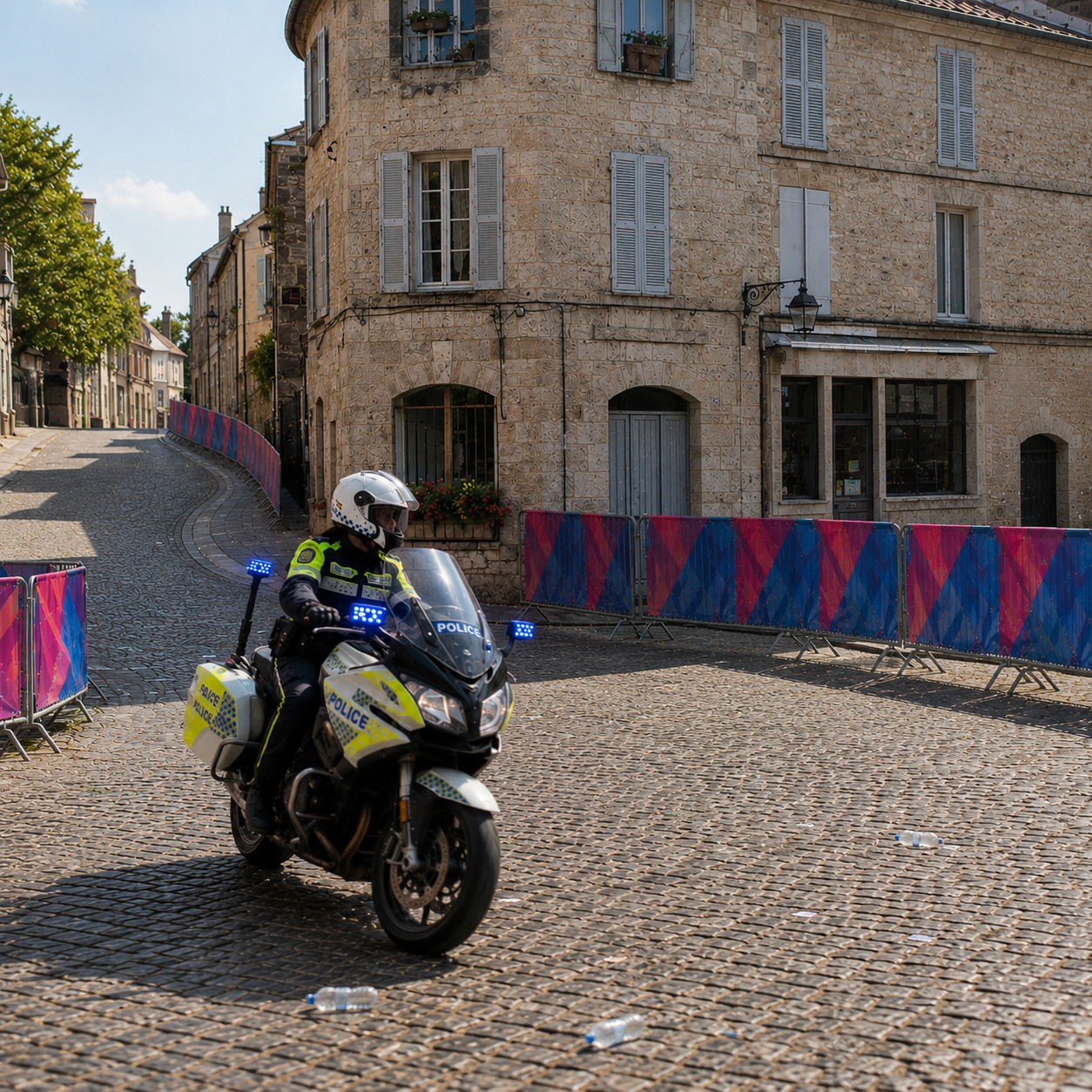
Acoustic monitoring for gatherings without fixed perimeters: political events, parades, emergency response, sporting events. Designed to move with a team in dynamic situations.
VIP and close protection
Local UAS awareness for protection details on foot, in vehicles and in outdoor environments. Person-borne and passive, the capability moves with the detail regardless of venue or fixed infrastructure.
The System
TERAS is designed as a subsystem. It produces structured data outputs for consumption by existing command, control, and situational-awareness platforms, including soldier systems such as DSS and TAK, and broader C2 and C4I architectures. The integration boundary is a documented API, with no proprietary operator interface required.
Truly Portable
- Edge processing
- All acoustic analysis runs on-device with no cloud or connectivity dependency
- Passive
- No RF emissions. No contribution to electromagnetic signature
- Form factor
- Compact, low size, weight, and power (SWaP). Designed for person-borne and platform-mounted deployment
- Connectivity
- Integration-ready API outputs designed for consumption by host platforms and C2 systems
Integration-Ready
- Detection event
- Timestamped UAS detection with event metadata
- Confidence score
- Per-event confidence level
- Directional cue
- Approximate direction of arrival (sector-level)
- System status
- Device health and operational state
Why Acoustics
Inherent signature
Any UAS with rotors produces a detectable acoustic profile. This signature is present even as drones are increasingly controlled via fibre-optic cables or AI rather than radio frequency.
Passive sensing
Acoustic detection requires no transmission. It does not reveal the position of the sensing element and does not contribute to the electromagnetic environment of the platform.
Complementary layer
Acoustic sensing is designed to fill gaps left by RF and radar detection at close range and in contested spectrum. It operates as an additional layer within broader detection architectures.
Edge-deployable
Acoustic sensing can be implemented at low size, weight, and power (SWaP), making it viable for person-borne and mobile deployments where larger sensor systems are impractical.
Griscore Systems
Dual-use acoustic intelligence
Griscore Systems develops acoustic intelligence for civil security and defence. Software, models, datasets, and edge-deployed sensing systems designed to turn sound into operationally useful information.
TERAS is the initial product application. The underlying capability (acoustic detection, classification, and cueing) is designed to extend across platforms, threat types, and operational contexts. Griscore's engineering approach prioritises operator trust, integration readiness, and measured performance characterisation.